Champagne Cork and Cage Sticker Review
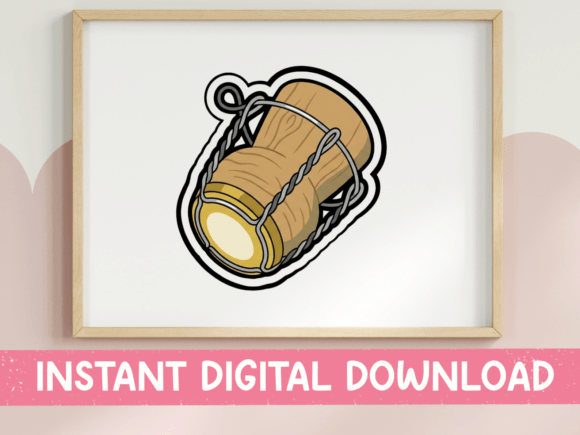
As an embroidery digitizer and product reviewer, I approach every new graphic with a specific question: will this translate beautifully from screen to stitch? When evaluating the Champagne Cork and Cage Sticker, my immediate focus is on how those warm tan, golden-brown, and dark brown tones will interact with thread and fabric. This isn't just a digital asset; for us makers, it is a potential centerpiece for celebration-themed merchandise. The design captures that iconic pre-pop moment with a classic aesthetic, but translating a sticker-style graphic into a tangible machine embroidery design requires careful consideration of texture, density, and end-use application.
First Impressions and Visual Translation
The visual personality of this design is undeniably festive yet sophisticated. Unlike generic party clipart, the upright posture of the cork and the intricate suggestion of the wire muselet cage give it a sense of anticipation. For an Etsy seller or boutique owner, this mood is crucial. It signals quality rather than cheap novelty. However, as a designer, I immediately look at the color separation. The description highlights warm tans and browns, which suggests a reliance on tonal contrast rather than bold outlines. In embroidery, this means we must pay close attention to thread colors. If the golden-brown and dark brown threads are too similar in value, the definition of the cage wires could get lost in the stitching. I recommend testing high-contrast thread pairings during your initial sample run to ensure the muselet cage remains distinct against the cork body.
Real-World Application: The Custom Tote Bag Test
To truly evaluate this embroidery file, I mentally placed it in a real-life scenario: creating a custom canvas tote bag for a bridal party or a wine-tasting event. Tote bags are a staple handmade product, but their textured surface can be unforgiving. The Champagne Cork and Cage Sticker has enough visual weight to hold its own on canvas, provided the stitch density is adequate. A design that is too sparse will sink into the weave, while one that is too dense might cause puckering on lighter-weight canvas.
In this specific use case, I envision the cork positioned centrally or slightly lower on the bag to anchor the composition. Because this is categorized under T-Shirt Designs and Graphics, the aspect ratio is likely versatile. For a tote, you might scale it up to maximize impact, but scaling affects stitch count. Always verify if the digital embroidery file includes multiple sizes or if you need to professionally resize it to maintain proper satin stitch widths and fill stitch integrity. A resized design that hasn't been re-digitized often leads to registration issues, especially in detailed areas like the wire cage loops.
Fabric Compatibility and Stabilizer Strategy
While this design shines on stable fabrics like canvas or denim, it demands caution elsewhere. If you are planning sweatshirt embroidery or working with stretchy knits for custom apparel, the upright nature of the cork creates a vertical column of stitches. On stretch fabric, this can lead to tunneling if not properly supported. I strongly advise using a cut-away stabilizer rather than tear-away for any knit application to prevent distortion over time.
Conversely, be wary of using this on highly textured fabrics like terry cloth or plush fleece without a topping. The fine details of the muselet cage, likely rendered in running stitch or narrow satin stitch, will disappear into the pile. For items like kitchen towels or holiday napkins, a water-soluble topping is non-negotiable to keep those golden-brown accents crisp and visible. This attention to fabric texture is what separates professional results from amateur attempts.
Navigating Technical Constraints and Detail
Every embroidery project has limits, and this design is no exception. The "sticker" aesthetic implies a clean edge, possibly a border or a tight fill area. When hooping, confirm your hoop size allows for adequate margin around the design. Crowding the hoop edges increases the risk of flagging and misalignment. Furthermore, consider the washing requirements of your finished product. If this is intended for baby embroidery or frequent-wash items like aprons, inspect the digitizing for long floats or loose connections. While the cork shape is generally compact, the wire cage elements could be delicate. Ensure all decorative accents are securely anchored to withstand laundering.
For those considering this as an applique design, the solid shape of the cork offers an excellent opportunity to reduce stitch count and add tactile interest. You could use a textured fabric for the cork itself and stitch the cage details on top. This hybrid approach not only saves production time but also elevates the perceived value of the item, making it a standout personalized gift.
Commercial Viability and Brand Consistency
For commercial embroidery businesses and craft business owners, consistency is key. Does this design align with your existing catalog? The warm, earthy palette makes it an ideal companion for autumn collections, wedding seasons, or New Year’s Eve merchandise. It avoids the gaudy neon often associated with party gear, appealing to a demographic that values understated elegance. When creating printable mockups or listing photos, showcase the design on both light and dark backgrounds. The golden-brown tones may pop beautifully on cream but require a lighter outline or background fill to be legible on black or navy garments.
Always verify licensing before adding this to your shop. Confirm whether the design assets allow for physical product sales, digital redistribution, or both. As an Etsy seller or small shop owner, protecting your business means respecting intellectual property while delivering unique goods. If the license permits, this graphic could serve as a foundational element for a broader collection of celebration-themed small shop products.
Designer’s Checklist Before Stitching
Before committing this Champagne Cork and Cage Sticker to a final product, run through this practical checklist to ensure success:
- Test on Scrap Fabric: Never stitch directly on a client’s garment first. Verify color contrast and density on a matching scrap.
- Check Thread Palette: Ensure your golden-brown and dark brown threads have sufficient contrast to define the cage details.
- Review Stitch Types: Identify whether the cage is satin, running, or fill stitch to determine appropriate stabilizer needs.
- Mockup Verification: Test the design in black and white digitally to see if the values hold up without color reliance.
- Hoop Selection: Choose the smallest hoop that comfortably fits the design to maximize tension stability.
- Licensing Audit: Double-check terms for commercial use, especially if selling finished holiday embroidery items.
- Resize Caution: If altering size significantly, consult a digitizer to adjust pull compensation and underlay.
Ultimately, the Champagne Cork and Cage Sticker offers a charming, versatile option for makers who want to celebrate milestones with style. Its success lies not just in the graphic itself, but in how thoughtfully you execute it. By respecting the interplay of thread, fabric, and technique, you transform a simple digital file into a cherished keepsake or a best-selling inventory item. Whether you are crafting a single embroidered patch for a denim jacket or fulfilling a bulk order for a vineyard, this design brings a touch of effervescent joy to your needlework portfolio.