Kawaii Baby Bear with Log Sticker Review
First Impressions: Soft Aesthetics Meet Stitch Reality
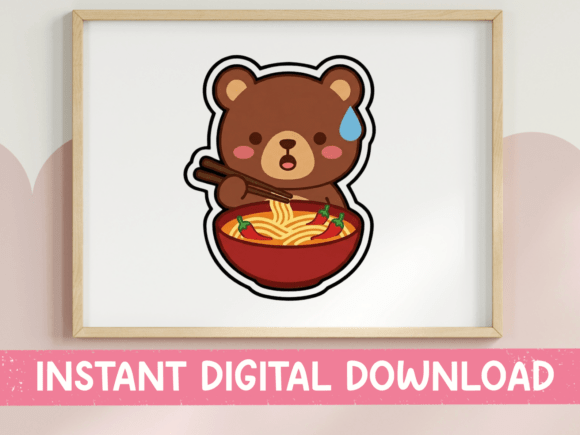
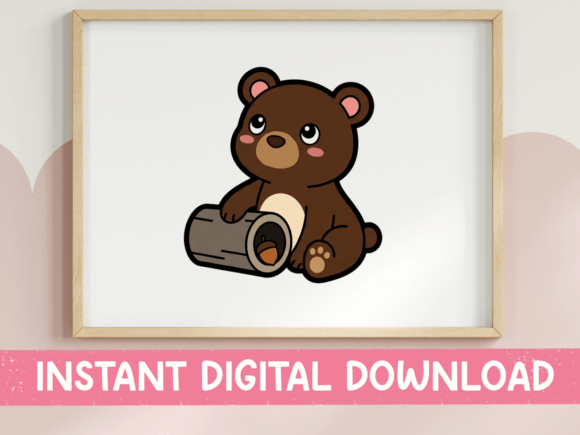
As a designer who spends more time behind an embroidery machine than a computer screen, I approach every new graphic with a healthy dose of skepticism. Digital art often looks flawless on a monitor, but the true test lies in how those pixels translate into thread. When I first evaluated the Kawaii Baby Bear with Log Sticker, my immediate reaction was positive regarding its emotional resonance. The dark chocolate-brown bear cub with wide doe eyes and rosy blush cheeks captures that specific woodland nostalgia that currently dominates the handmade market. However, as a professional reviewing this for real-world application, my focus quickly shifted from "cute" to "constructible."
This design falls under the T-Shirt Designs and Graphics category, which suggests it is optimized for apparel. Yet, the intricate nature of kawaii aesthetics—specifically the facial expressions and the texture of the hollow log—requires careful consideration before hooping any fabric. The visual personality is undeniably sweet, creating a mood of innocence and comfort. For an Etsy seller or small shop owner, this mood is sellable. But for an embroiderer, the challenge is maintaining that softness without the design becoming too dense for comfortable wear or losing definition on textured fabrics.
Real-World Application: Stitching for the Nursery Market
To truly evaluate this machine embroidery design, I mentally placed it in a specific production scenario: creating a line of personalized nursery sweatshirts and matching tote bags for a boutique client. This context matters because baby embroidery and custom apparel demand different technical standards than decorative pillows. In this scenario, the Kawaii Baby Bear with Log Sticker needs to be soft against sensitive skin while remaining visually distinct after repeated washing.
For the sweatshirt application, I considered how the dark chocolate fur would render using fill stitch versus satin stitch. Fill stitch is generally preferable here to reduce bulk and prevent the garment from becoming stiff. The rosy blush cheeks are a critical detail; if stitched with too high a stitch density, they can look like plastic patches rather than soft color. I found myself planning to use a lighter density or perhaps a blending technique to keep the cheek area flexible. The hollow log element adds a layer of complexity. If this were an applique design, the log would be an excellent candidate for fabric placement to add tactile interest. If it is purely stitched, the contrast between the bear and the log must be managed carefully through thread colors to ensure the silhouette reads clearly on both light and dark garments.
For the matching tote bag design, the requirements shift. Canvas can handle higher stitch counts, allowing for more detailed running stitch outlines around the bear’s eyes and the log’s bark texture. Here, the Kawaii Baby Bear with Log Sticker serves as a strong central motif that anchors the product. As a commercial embroidery asset, its versatility across these two very different substrates increases its value for creative entrepreneurs looking to maximize their design library.
Technical Caution Zones: Where Detail Meets Fabric Limits
While the aesthetic is charming, practical experience dictates that we discuss where this design requires caution. Not every embroidery file performs equally across all mediums, and kawaii styles are particularly unforgiving when scaled incorrectly.
- Small Hoop Sizes: Reducing this design below its intended dimensions is risky. The wide doe eyes and blush cheeks rely on precise spacing. Compressing the design can cause these features to merge, resulting in a muddy expression rather than a cute face. Always check the minimum recommended size before resizing.
- Textured and Stretchy Fabrics: On ribbed knits or terry cloth, the fine details of the log and facial features may get lost. Using an appropriate stabilizer is non-negotiable. A water-soluble topping is often necessary to prevent stitches from sinking into the fabric pile, ensuring the embroidered patch effect remains crisp.
- Curved Surfaces: If you intend to use this for cap or hat embroidery, proceed with care. The upright sitting posture of the bear creates a vertical height that may exceed the safe stitching area of many curved hoops. Distortion on the curve could alter the bear's proportions.
- Dark Fabric Contrast: Since the bear is dark chocolate brown, stitching it on navy, black, or charcoal fabric requires strategic planning. Without a light outline or background element, the bear may disappear visually. Test your thread colors on scrap fabric first to ensure sufficient contrast.
Impact on Product Value and Customer Trust
In the competitive landscape of handmade products and digital product sellers, presentation is everything. The Kawaii Baby Bear with Log Sticker has the potential to elevate perceived value, but only if executed professionally. Customers associate clean stitching with quality. If the blush cheeks are puckered or the log details are misaligned due to poor stabilization, the item looks amateurish regardless of how cute the source graphic is.
Conversely, when this design is stitched correctly, it communicates warmth and craftsmanship. For holiday embroidery or personalized gift projects, this emotional connection drives sales. Buyers are not just purchasing a sweatshirt; they are buying a feeling. As an Etsy seller, utilizing printable mockups that accurately represent the stitch texture helps set realistic expectations. Showing the design on both light and dark backgrounds in your listing demonstrates confidence in the product's versatility. Furthermore, consistent use of such cohesive design assets helps build brand recognition. When customers see your signature style of woodland kawaii themes executed flawlessly, trust follows.
The Professional’s Pre-Stitch Checklist
Before you load this digital embroidery file into your machine for a paid order or a new inventory run, treat it with the same rigor as any commercial embroidery project. My standard evaluation protocol includes several non-negotiable steps that separate hobbyists from professionals.
- Verify Specifications: Confirm the exact stitch count, physical dimensions, and included file formats. Do not assume compatibility with your specific machine or hoop size based solely on the preview image.
- Licensing Check: Before selling finished products or offering this as part of a bundle, review the license terms. Ensure you have the right to use this for commercial embroidery or if it is restricted to personal use.
- Test Stitch-Out: Never skip testing on scrap fabric that matches your final project material. Evaluate the stitch density and registration. Does the face look right? Is the log defined?
- Contrast Testing: Run a black and white simulation or printout to check value contrast. If the design relies solely on color differentiation without value contrast, it will fail on grayscale merchandise or low-light photography.
- Stabilizer Selection: Match your stabilizer to the fabric weight and design density. A heavy fill stitch bear on lightweight jersey requires different support than the same design on denim.
- Mockup Validation: Create realistic mockups that reflect the actual stitch texture. Avoid flat vector overlays that mislead buyers about the handmade nature of the finished product.
The Kawaii Baby Bear with Log Sticker is a delightful addition to any embroidery library, specifically for those targeting the nursery, woodland, and soft aesthetic markets. Its success, however, depends entirely on the maker's willingness to respect the technical translation from screen to stitch. By approaching this design with practical judgment and thorough testing, you transform a simple graphic into a profitable, professional-grade asset for your craft business.