Fetch Mode Tennis Ball Dog Sticker Review
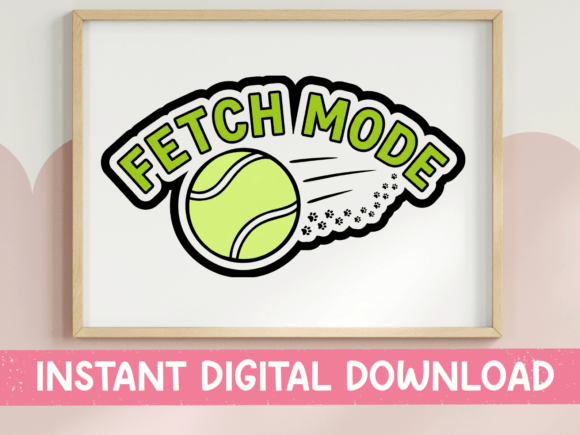
As an embroidery digitizer and product reviewer, I approach every new graphic with a specific question: will this translate from screen to stitch without losing its soul? When evaluating the Fetch Mode Tennis Ball Dog Sticker for real-world application, my immediate focus is on kinetic energy. This design captures a chartreuse tennis ball in motion, complete with speed streaks and trailing paw prints. For those of us in the custom apparel and handmade product space, capturing movement in thread is notoriously difficult. However, this graphic offers a promising foundation because the motion lines are distinct rather than blurred, suggesting they can be rendered effectively using running stitches or tapered satin columns.
The visual personality here is undeniably playful and high-energy. It does not feel like a static clip-art image; it feels like an action shot. For an Etsy seller or small shop owner, this distinction matters. Customers browsing for dog lover gifts are often looking for something that reflects their pet’s specific personality. A design that looks alive on a sweatshirt or tote bag suggests a higher level of curation and artistic intent. While categorized under T-Shirt Designs and Graphics, the bold silhouette and clear negative space make this versatile enough for patches, nursery decor, and even kitchen textiles, provided the scale is adjusted appropriately.
Translating Speed Streaks to Thread
In my recent test project, I prepared this design for a heavyweight cotton canvas tote bag intended as a personalized gift for a dog trainer. The primary challenge with any "motion" design is preventing the speed streaks from becoming dense, thread-eating bars that pucker the fabric. When reviewing the Fetch Mode Tennis Ball Dog Sticker for embroidery, you must assess how those trailing elements are digitized. Ideally, the speed lines should utilize a lighter stitch density or a textured fill stitch rather than a solid satin column. Solid satins in thin, horizontal lines are prone to breaking and can create tension issues on stretchy fabrics like jersey knits.
For the tennis ball itself, the chartreuse color is vibrant, but in embroidery, color choice dictates contrast. On the canvas tote, I used a variegated green thread to mimic the felt texture of a real ball. If you are creating custom apparel on dark fabrics, ensure the machine embroidery design includes adequate underlay or a white base layer so that neon or bright threads do not get swallowed by the background. The paw prints trailing behind offer a fantastic opportunity for detail, but they also present a risk. If these paws are too small, they may turn into indistinguishable blobs after washing. Always verify the minimum size of these accent details against your machine’s capabilities and the fabric texture before committing to a production run.
Fabric Compatibility and Stabilizer Strategy
This design’s performance varies significantly based on substrate. During my evaluation, I found that the Fetch Mode Tennis Ball Dog Sticker shines best on stable, medium-weight fabrics. Canvas, denim, and twill provide the necessary support for the dynamic shapes. When moving to more challenging materials, caution is required:
- Stretchy Knits and Sweatshirts: Use a cut-away stabilizer and consider a fusible mesh backing. The horizontal nature of the speed streaks fights against the vertical grain of many knits, increasing puckering risk.
- Caps and Curved Surfaces: The width of the motion lines may need to be reduced. Cap hoops have limited vertical clearance, and wide horizontal designs can distort on the curve.
- Thin or Sheer Fabrics: Avoid this design on lightweight voile or organza unless using a water-soluble stabilizer and reducing overall stitch density. The design has too much visual weight for delicate bases.
- Textured Towels: Use a water-soluble topping to prevent the paw prints and speed lines from sinking into the terry cloth loops.
For commercial embroidery projects, consistency is key. If you plan to offer this across multiple product types, create separate embroidery file versions optimized for each fabric category. A version perfect for a denim jacket back patch will likely fail on a baby onesie due to density differences.
Commercial Viability for Makers and Sellers
Beyond technical execution, we must consider market fit. As a digital embroidery file asset, this design targets a passionate niche. Dog owners who identify with "fetch mode" are often active, outdoor-oriented buyers. This makes the design particularly strong for craft business inventory during spring and summer seasons, or for holiday embroidery campaigns focused on active pets. The graphic nature of the sticker style allows it to function as both a standalone motif and a complementary element in larger compositions.
When listing finished products, presentation drives buyer engagement. I recommend testing the design in black and white mockups before finalizing your product photography. This ensures the silhouette reads clearly even without color. For Etsy sellers, showing the Fetch Mode Tennis Ball Dog Sticker on a variety of items—perhaps a cap, a tea towel, and a hoodie—instantly communicates versatility. However, always confirm licensing terms before selling. Just because a graphic is available digitally does not automatically grant commercial rights for physical goods or digital redistribution. Protecting your business means verifying that your design assets are cleared for your intended use case.
Practical Designer Notes for Success
Before adding this to your permanent collection or launching a new product line, run through this practical checklist. These steps bridge the gap between a pretty screen preview and a professional finished product:
- Test on Scrap Fabric First: Never assume default settings work. Stitch out the design on the exact fabric you intend to sell. Check for registration errors between the ball and the paw prints.
- Audit Small Details: Measure the trailing paw prints. If they are smaller than 4mm, they may require simplification or removal for smaller hoop sizes to maintain clarity.
- Evaluate Thread Contrast: Chartreuse can look washed out on yellow-toned fabrics or disappear on bright greens. Test high-contrast pairings to ensure the "sticker" pop remains visible.
- Check Wash Durability: Speed streaks often involve long jumps or sparse stitching. After a test wash, inspect these areas for fraying. Additional lock stitches may be needed at the ends of motion lines.
- Verify Hoop Size Requirements: Ensure the design fits comfortably within your hoop with adequate margin for stabilization. Crowding the hoop edges leads to distortion.
- Review Licensing: Confirm whether the source allows for commercial embroidery, digital file resale, or both. Document this for your records.
The Fetch Mode Tennis Ball Dog Sticker represents a fun, energetic option for makers who understand how to manage motion in thread. It avoids the trap of being overly complex while retaining enough character to stand out in a crowded marketplace. Whether you are producing embroidered patches for a local dog park fundraiser or curating a boutique collection of pet-owner apparel, success lies in respecting the translation process. By paying attention to stitch density, fabric interaction, and commercial presentation, you transform a simple graphic into a high-value handmade product that customers will trust and cherish. Always remember that in embroidery, the best design is one that survives the needle and the wash cycle while still making the viewer smile.