Purple Foxglove Botanical Sticker: An Embroidery Review
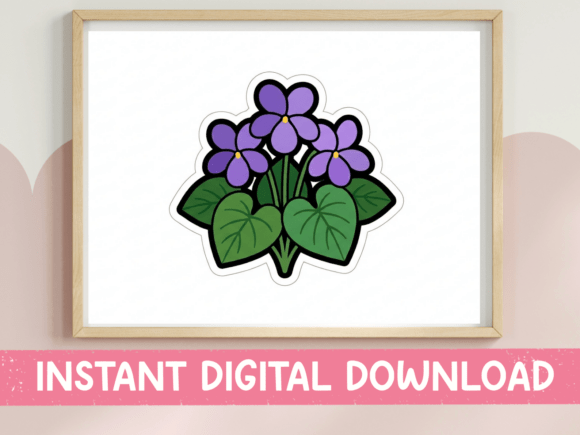
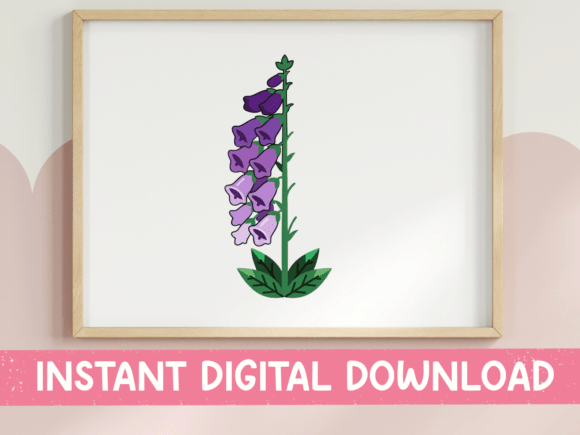
As a designer who has digitized and stitched out hundreds of botanical motifs, I approach every new graphic with a specific question: will this translate beautifully from screen to fabric? When evaluating the Purple Foxglove Botanical Sticker for real-world application, my focus shifts immediately from its digital charm to its structural integrity as a machine embroidery design. Wildflower fans and cottage garden lovers will recognize this one immediately, but for those of us running embroidery businesses or managing personal studios, recognition is only the first step. The true test lies in how that tall foxglove stem, with its full spike of bell-shaped flowers in soft lavender and medium violet-purple, behaves under the needle.
First Impressions and Visual Translation
My initial assessment of this artwork suggests it was created with a delicate aesthetic in mind. The transition from soft lavender to medium violet-purple offers excellent potential for thread blending, but it also presents a challenge regarding stitch density. In a digital format, gradients are seamless; in embroidery, they require careful color stops and blending techniques. As a T-shirt design or graphic asset, the verticality of the foxglove is striking. However, when converting this into an embroidery file, that height becomes a primary consideration for hoop size and stabilization.
The mood this design evokes is undeniably nostalgic and organic. It feels like a vintage field guide illustration brought to life. For an Etsy seller or boutique owner, this visual personality is gold. It signals "handmade" and "thoughtful" instantly. However, because the description notes dark accents alongside the lighter purples, I am immediately thinking about contrast. If those dark elements are intended as outlines or shading, they must be distinct enough to prevent the design from looking muddy on darker fabrics, yet subtle enough not to overpower the delicate bell shapes on white linen.
Real-World Application: The Linen Tea Towel Test
To truly judge this design, I mentally placed it in a recent client scenario: a set of premium linen tea towels intended as wedding gifts. Linen is a textured fabric that can swallow fine details. The Purple Foxglove Botanical Sticker, with its intricate floral spike, requires a strategy here. A standard satin stitch might get lost in the weave, while a heavy fill stitch could make the towel stiff and unappealing to the touch.
In this context, I would evaluate whether the design utilizes running stitches for detail work or relies heavily on dense fills. For a tea towel, I prefer designs that incorporate negative space, allowing the fabric texture to breathe. If this graphic is too dense, it transforms a functional kitchen item into a rigid placemat. Conversely, if used on custom apparel like a lightweight summer blouse, the vertical orientation of the foxglove works beautifully along a button placket or centered on a yoke, provided the stabilizer choice prevents puckering on the stretchy material. This versatility is what makes it a strong candidate for a diverse product line, ranging from nursery decor to adult fashion.
Navigating Fabric Constraints and Technical Limits
While the aesthetic is universally appealing, technical execution varies wildly by substrate. There are specific environments where I would advise caution when using this Purple Foxglove Botanical Sticker.
- Stretchy Knits and Jerseys: The vertical nature of the stem means that if the fabric stretches horizontally during wear, the flower stem could distort. Proper cut-away stabilizer is non-negotiable here.
- High-Pile Fabrics: On terry cloth or fleece, the fine details of the bell-shaped flowers risk sinking. You may need to add a water-soluble topping to keep the stitches visible.
- Small Hoop Sizes: Reducing a tall botanical design to fit a 4x4 hoop often results in loss of definition. The dark accents mentioned in the product description may merge into solid blobs if scaled down too aggressively.
- Curved Surfaces: Stitching this on a cap is risky. The height of the foxglove spike fights against the curve of the brim, potentially causing registration issues between color changes.
For small shop products and commercial embroidery projects, understanding these limitations protects your reputation. A failed stitch-out on a high-value garment is costly, both in materials and customer trust. Always verify the minimum recommended size before committing this design to a finished product.
Impact on Product Value and Brand Perception
Why does this specific botanical matter to your business? Because specificity sells. Generic florals are everywhere, but a well-executed foxglove targets a niche audience passionate about cottagecore and native gardening. When used correctly, this design elevates a basic sweatshirt or tote bag into a personalized gift with narrative weight.
From a branding perspective, consistency is key. If you are building a collection of woodland or garden-themed items, the Purple Foxglove Botanical Sticker serves as an excellent anchor piece. Its color palette—lavender and violet-purple—is distinct enough to be recognizable across different mediums, whether printed as a sticker or stitched as an embroidered patch. For digital product sellers offering printable mockups, ensure the colors in your preview match the actual thread capabilities. Misleading color representation leads to returns and negative reviews. Authenticity in presentation builds buyer engagement and long-term loyalty.
Essential Designer Notes Before Stitching
Before loading this embroidery file into your machine, run through this practical checklist. These steps separate hobbyist attempts from professional results.
- Verify Licensing: Confirm whether your purchase includes commercial rights for selling finished items or if it is strictly for personal use. This is critical for Etsy sellers and craft business owners.
- Test Stitch on Scrap: Never assume the digitizing is perfect for your specific machine tension. Test on a scrap of the exact fabric you intend to use, with the same stabilizer setup.
- Check Thread Contrast: View your thread selection in natural light. Lavender and violet can look identical under artificial shop lighting but distinct in daylight. Ensure the dark accents provide necessary definition.
- Evaluate Stabilizer Pairing: Match the stabilizer to the fabric weight, not just the design density. Lightweight fabrics need tear-away or wash-away support to prevent distortion of the tall stem.
- Mockup Validation: Create black and white mockups to check value contrast. If the design looks flat in grayscale, it will lack depth in color. Adjust thread colors if necessary to maintain visual hierarchy.
- Inspect Small Details: Zoom in on the digital file. Are there tiny satin stitches that might fray? Is the text (if any) legible at the intended size? Make adjustments in your editing software before stitching.
The Purple Foxglove Botanical Sticker holds immense promise for makers who value botanical accuracy and romantic aesthetics. Whether you are creating holiday embroidery for seasonal markets or developing a signature line of custom apparel, success lies in respecting the technical demands of the medium. By treating this graphic not just as art, but as a blueprint for physical construction, you ensure that the final embroidered piece honors the beauty of the original design while standing up to the rigors of real-life use. Always prioritize test runs and fabric compatibility, and this lovely foxglove will bloom beautifully in your portfolio.