Disco Ball Confetti Party Sticker Review
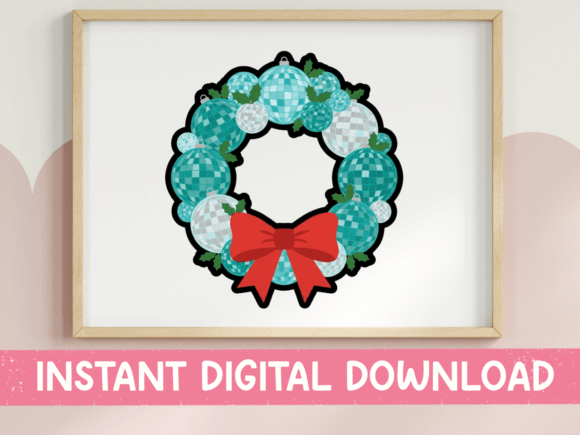
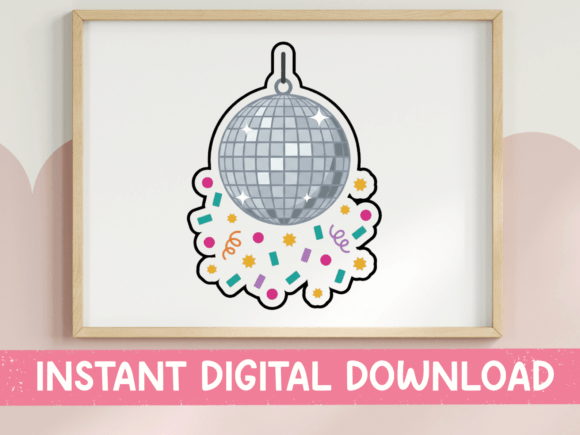
As an embroidery designer who has digitized and stitched countless party-themed graphics, I approach every new machine embroidery design with a specific question: will this actually look good on fabric, or is it just a pretty screen graphic? When evaluating the Disco Ball Confetti Party Sticker for real-world application, my focus shifts immediately from digital aesthetics to structural integrity. This design captures a distinct retro-celebratory mood with its silver mirror ball and scalloped cloud base, but translating those bright magenta, teal, and yellow confetti accents into thread requires careful consideration of stitch density and fabric compatibility.
First Impressions and Visual Translation
The initial appeal of this graphic lies in its balanced composition. The mirror ball serves as a strong central anchor, while the scalloped cloud provides a necessary foundation that prevents the design from feeling like it is floating aimlessly. For T-Shirt Designs, this layout is ideal because it centers well on the chest or back without overwhelming the garment's seams. However, as a reviewer, I am looking at how the "sticker" aesthetic translates to needle and thread. Sticker-style Graphics often rely on bold outlines and solid color blocks, which can be a double-edged sword in embroidery. While they offer excellent visibility, they also demand precise registration.
The confetti elements are the most critical detail here. In a digital file, scattered dots are effortless. In an embroidery project, they represent potential jump stitch nightmares or tension issues if not digitized with intention. I appreciate that this design uses specific colors rather than generic sparkles, as this allows for intentional thread colors matching. When planning a custom apparel line, having defined magenta and teal accents makes it easier to coordinate with inventory without guessing how a gradient might stitch out.
Real-World Application: The Custom Sweatshirt Test
To truly evaluate this asset, I mentally placed it in a current production scenario: creating a batch of unisex crewneck sweatshirts for a boutique client hosting a New Year’s Eve event. This is where the Disco Ball Confetti Party Sticker needs to perform beyond mere decoration. Sweatshirt fleece is textured and prone to shifting, making it a challenging canvas for detailed fill stitch areas.
In this scenario, the scalloped cloud base acts as a stabilizer-friendly zone. If I were stitching this, I would verify that the cloud isn't just a running outline but has enough body to anchor the heavier mirror ball above it. For a sweatshirt embroidery project, the contrast between the shiny satin stitches of the disco ball and the matte texture of the fleece creates a high-value tactile experience. Customers perceive this dimensional quality as premium compared to flat screen printing. However, the confetti must be large enough to survive the nap of the fleece. If the individual confetti pieces are too small, they risk sinking into the fabric or causing needle breaks. This design seems to strike a workable balance, but I would strongly advise testing on a scrap of the exact fleece weight before committing to a full production run.
Navigating Fabric Limitations and Hoop Sizes
While this design shines on stable knits, there are environments where caution is required. As an experienced maker, I have to flag the risks associated with lightweight or stretchy fabrics. A "sticker" style design typically implies a certain level of coverage. If you attempt this on a thin baby onesie or a lightweight summer tee without adequate support, the stitch density could cause puckering or distortion.
For baby embroidery or delicate items, you must check the physical dimensions against your hoop size. If the design pushes the limits of a 4x4 hoop, the confetti details may become cramped. On curved surfaces like caps, the horizontal span of the cloud base might distort unless the design has been specifically compensated for curvature. I would reserve this specific graphic for flat, stable surfaces like tote bags, pillow covers, or medium-weight apparel. If using it on a tote bag design, ensure the canvas is tight in the hoop; the solid fill of the mirror ball requires consistent tension to avoid gaps.
Dark fabrics present another variable. The description mentions silver, magenta, teal, and yellow. On black fabric, these colors pop beautifully. On white fabric, however, the silver mirror ball might lack definition unless a darker outline or shading is incorporated into the embroidery file. Always preview the design in black and white within your software to see if the value contrast holds up without relying solely on color differentiation.
Commercial Viability for Sellers and Makers
For Etsy sellers and small business owners, the versatility of this design directly impacts ROI. It bridges the gap between niche retro enthusiasts and general party planners. I can envision this working effectively as an embroidered patch for denim jackets, which extends its commercial life beyond just direct-to-garment stitching. Patches allow you to stitch on twill or felt, mitigating many of the fabric stability concerns associated with complex designs.
When listing finished products, professional presentation matters. Use this design to create high-quality printable mockups that accurately reflect the stitch texture. Buyers need to see that the confetti is distinct and the mirror ball has sheen. Furthermore, if you are selling the digital embroidery file itself, transparency about recommended stabilizers and fabric types builds customer trust. Clearly stating whether this is suitable for commercial use on finished goods versus reselling the file is non-negotiable for maintaining a reputable craft business.
Essential Designer Notes for Success
Before you load this design into your machine, run through this practical checklist derived from years of troubleshooting similar party-themed assets:
- Verify Stabilizer Pairing: Given the likely density of the mirror ball and cloud, use a cut-away stabilizer for knits and stretch fabrics. Tear-away is rarely sufficient for sticker-style graphics on apparel.
- Check Small Details: Inspect the smallest confetti pieces in your software. If any are under 2mm, consider resizing the entire design up by 10-15% to ensure clean stitching.
- Thread Contrast Test: Stitch out the silver section on both white and dark grey fabric. Ensure the metallic or rayon thread chosen provides enough contrast against the background fabric color.
- Review Licensing: Confirm the specific terms for this design asset. Some licenses permit unlimited physical sales but prohibit digitizing services or altering the file for resale.
- Mockup Reality Check: Do not rely solely on digital renders. Create a physical sample to photograph for your shop. Real photos of handmade products convert better than sterile digital previews.
- Washability Assessment: If intended for items requiring frequent laundering like kitchen towels or baby clothes, ensure the satin stitches are secured properly to prevent fraying over time.
Final Verdict on Production Value
The Disco Ball Confetti Party Sticker offers a vibrant, nostalgic aesthetic that translates well to thread when treated with technical respect. Its strength lies in its clear silhouette and celebratory color palette, making it a reliable choice for holiday embroidery, bachelorette parties, and retro-inspired merchandise. By understanding the interplay between the design’s density and your chosen substrate, you can elevate this graphic from a simple digital download to a standout personalized gift or best-selling boutique item. Always prioritize a test stitch-out; it is the single most important step in ensuring your final product meets the professional standards your customers expect.