Monthly Bloom Dahlia: An Embroidery Design Review
As a designer who has digitized and stitched out hundreds of botanical motifs, I approach every new machine embroidery design with a healthy dose of skepticism. We have all downloaded files that look stunning on screen but turn into thread nests or distorted shapes once the needle hits the fabric. When evaluating the Monthly Bloom Dahlia Flower Sticker for potential use in my own studio and for client projects, I looked past the pretty preview image to assess its structural integrity, stitch logic, and commercial viability. This review breaks down how this graphic translates from a digital asset to a tangible, high-quality finished product.
First Impressions: Color Depth and Structural Balance
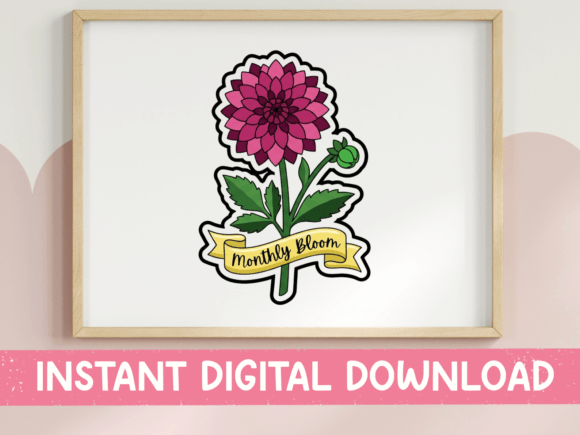
The immediate appeal of this design lies in its sophisticated color palette. The description promises deep magenta and crimson petals against a dark green stem, and visually, it delivers a moody, vintage botanical aesthetic rather than a cartoonish interpretation. For an Etsy seller or boutique owner, this maturity in design is crucial. It signals to customers that this is a premium item suitable for adult custom apparel or home decor, rather than just children's wear.
However, as an embroiderer, my first concern with any dahlia is density. Dahlias are naturally complex flowers with tightly packed petals. In a digital embroidery file, this complexity can easily become a bulletproof vest of thread if not managed correctly. Upon reviewing the layout, the "sticker" style implies a defined border or badge shape. This is excellent news for stability. A self-contained shape acts as its own anchor, making it significantly easier to hoop and align than a sprawling, open-ended vine. The inclusion of leaves on a dark green stem provides necessary visual weight at the bottom, preventing the top-heavy flower from looking unbalanced when stitched on vertical garments like aprons or tote bags.
Real-World Application: Stitching the Custom Sweatshirt
To truly judge this design, I mentally walked through a recent commission: a heavyweight French terry sweatshirt for a fall capsule collection. This is where the Monthly Bloom Dahlia Flower Sticker needs to perform. Sweatshirts are forgiving due to their thickness, but they also have texture that can swallow fine details.
In this scenario, the design’s badge format shines. Because it is categorized under T-Shirt Designs and Graphics, it likely accounts for the stretch and grain of knit fabrics. When stitching this on fleece, I would pair it with a medium-weight cutaway stabilizer to prevent puckering around those dense magenta fill areas. The "sticker" outline serves a dual purpose here; aesthetically, it gives the embroidery a retro patch vibe that is currently trending in craft business markets. Functionally, that perimeter stitching locks the fabric layers together before the intricate petal work begins, reducing registration errors.
For commercial embroidery purposes, this design offers high perceived value. A customer sees the layered crimson and magenta tones and recognizes the time and thread investment involved. Unlike a simple outline flower, this filled motif justifies a higher price point for personalized gifts or branded merchandise. It photographs beautifully for printable mockups because the high contrast between the deep reds and greens pops against neutral fabric backgrounds, driving better engagement on social media listings.
Navigating Technical Challenges and Fabric Limitations
While the design is versatile, experienced makers know that no file is universal. There are specific scenarios where I would advise caution or modification when using this Monthly Bloom Dahlia.
- Sheer and Lightweight Fabrics: Despite being a sticker style, the internal petal density is likely substantial. I would avoid stitching this directly onto lightweight linen tea towels or sheer curtain panels without significant testing. The weight of the thread could cause the fabric to sag or tear over time. If you must use it on lighter goods, consider scaling it down or using it as an applique design base to reduce overall stitch density.
- Curved Surfaces and Caps: While the badge shape is neat, placing a large, dense circle on the curved front panel of a cap is risky. The distortion required to wrap around the curve often causes gaps in satin stitches or misaligned centers. Reserve this design for flat surfaces like pillow covers, jacket backs, or flat-brim hats unless you have verified the digitizing includes specific cap compensation.
- Small Hoop Sizes: Detail is the enemy of miniaturization. If your machine only supports a 4x4 hoop, check the minimum recommended size before purchasing. Shrinking a complex dahlia too much will cause the satin stitch elements to merge and the running stitch details to disappear. Always verify dimensions against your specific hardware capabilities.
- High-Texture Fabrics: On terry cloth or minky for baby embroidery, the fine separation lines between petals may get lost. You might need to add a water-soluble topping to ensure the crimson and magenta sections remain distinct and don't blend into the fabric pile.
Designer Notes for Professional Results
Whether you are a hobbyist making a holiday gift or a professional producing small shop products, preparation is what separates amateur results from boutique quality. Before committing this design to a final sellable item, follow these practical steps:
- Run a Physical Test Stitch: Never trust the screen view implicitly. Stitch the Monthly Bloom Dahlia on a scrap of the exact fabric you intend to use. Check specifically for thread breaks during the color changes between the deep magenta and crimson. Sometimes, similar shades are placed too close together in the sequence, causing unnecessary trims or tension issues.
- Verify Licensing for Commercial Use: As this is listed under Graphics and T-Shirt Designs, confirm whether your purchase includes rights for selling finished physical items versus digital files. Many designers allow handmade product sales but prohibit reselling the embroidery file itself. Protect your business by reading the terms clearly.
- Assess Thread Contrast: The design relies on the interplay of dark greens and deep reds. If you substitute these for lighter pinks or sage greens, you risk losing the definition of the petals. Test your alternative thread colors in natural lighting to ensure the layers still read as separate entities.
- Check Stabilizer Pairings: For knits, use cutaway. For wovens, tear-away may suffice, but given the density of a dahlia, a hybrid or mesh cutaway often provides better long-term washability. Remember that a "sticker" design usually has a dense border that requires solid anchoring.
- Mockup Realistically: When creating listings for design assets or finished goods, do not rely solely on flat digital renders. Take a photo of the actual stitch-out. Customers trust sellers who show real fabric texture and thread sheen. It proves you understand the product you are selling.
Final Verdict on Versatility and Value
The Monthly Bloom Dahlia Flower Sticker represents a strong contender for both personal and professional embroidery libraries. Its built-in badge structure solves many of the alignment headaches associated with floral designs, while the rich color story appeals to current market trends favoring dark academia and cottagecore aesthetics. It is particularly well-suited for sweatshirt embroidery, canvas tote bag designs, and durable embroidered patches.
However, success depends entirely on respecting the physics of thread and fabric. By acknowledging the density requirements and avoiding incompatible substrates, you can transform this digital graphic into a stunning, high-value asset. For the creative entrepreneur, this design offers the perfect balance of visual impact and technical manageability, provided you approach it with the diligence of a maker rather than just a consumer. Always test, always verify, and let the quality of your stitching speak as loudly as the beauty of the design itself.