Retro Road Trip Car Sticker: A Graphic for Travel Blogs
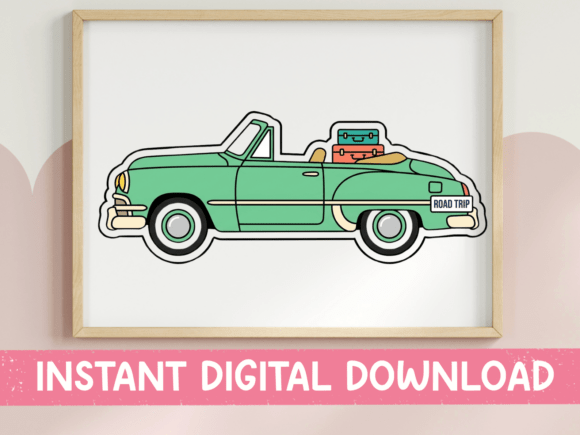
As an experienced blog designer and digital publisher, I recently came across the Retro Road Trip Car Sticker Design, a graphic that immediately caught my eye. This design, featuring a mint green vintage convertible with a tan interior, loaded up with colorful luggage in the back seat, is perfect for travel lovers and road trippers. It's not just a T-Shirt Design; it's a versatile graphic asset that can elevate your content publishing projects.
First Impressions and Editorial Mood
The Retro Road Trip Car Sticker Design exudes a playful and adventurous vibe, making it ideal for lifestyle-focused and travel-related content. The vibrant colors and nostalgic feel of the vintage car create a sense of joy and freedom, which can significantly enhance the reader's perception of your content. This design is particularly well-suited for blogs, newsletters, and social media posts that aim to inspire and engage a travel-loving audience.
Visual Communication and Reader Trust
Using the Retro Road Trip Car Sticker Design in your editorial content can help build a strong visual identity and improve reader trust. The polished and professional look of this graphic can make your content appear more credible and appealing. Whether you're creating a blog post, a Pinterest pin, or a downloadable resource, this design can support a consistent brand image and enhance the overall quality of your visual communication.
Real Publishing Workflow Integration
In a real publishing workflow, the Retro Road Trip Car Sticker Design can be a valuable asset for various content types. Here are some practical ways to use it:
- Blog Featured Images: Use it as a visually striking featured image to grab attention and set the tone for your travel articles.
- Pinterest Graphics: Create eye-catching Pinterest pins that stand out in a sea of travel-related content.
- Article Headers: Incorporate it into article headers to add a touch of nostalgia and adventure to your blog posts.
- Website Banners: Utilize it as a banner on your website to welcome visitors with a fun and inviting atmosphere.
- Newsletter Graphics: Add it to your newsletter headers to make your emails more engaging and visually appealing.
- Lead Magnets and Digital Guides: Use it in the cover designs of your lead magnets and digital guides to attract more sign-ups and downloads.
- Social Media Posts: Share it on your social media platforms to create a cohesive and recognizable brand presence.
Supporting Content Performance
The Retro Road Trip Car Sticker Design can significantly boost your content's performance by providing a stronger first impression, clearer visual hierarchy, and better click-through potential. Its vibrant and nostalgic style can help your content stand out, making it more likely to be shared and engaged with. Additionally, using this design consistently across different platforms can help establish a more professional and trustworthy brand image.
Optimal Use Cases
This graphic works best in scenarios where it can be prominently displayed, such as:
- Hero Images: As a large, eye-catching image at the top of your blog posts or landing pages.
- Article Thumbnails: In thumbnail images for your blog posts, where it can draw readers in with its vibrant colors and nostalgic charm.
- Pinterest Pins: As a standout graphic in your Pinterest marketing strategy.
- Blog Graphics: To add visual interest and break up text in long-form blog posts.
- Editorial Accents: As a decorative element in your editorial layouts to add a touch of personality and style.
- Content Upgrades and Downloadable Resources: In the cover designs of your eBooks, worksheets, and other digital products.
- Category Visuals: To represent travel or adventure categories on your blog or website.
- Newsletter Headers: At the top of your newsletters to make them more visually appealing.
- Social Media Previews: As a preview image for your social media posts to increase engagement.
Use with Caution
While the Retro Road Trip Car Sticker Design is a versatile and attractive graphic, it should be used carefully in certain contexts:
- Small Mobile Thumbnails: Ensure it still looks good when scaled down for mobile devices.
- Text-Heavy Blog Images: Avoid using it in situations where it might compete with important text, such as in infographics or detailed diagrams.
- Low-Contrast Backgrounds: Test it on different backgrounds to ensure it remains visible and legible.
- Busy Layouts: Be mindful of using it in overly busy or cluttered layouts, as it may lose its impact.
- Serious Professional Niches: Consider whether its playful and adventurous style aligns with the tone of more serious or corporate content.
Publisher Notes and Best Practices
To get the most out of the Retro Road Trip Car Sticker Design, follow these practical tips:
- Test on Desktop and Mobile Screens: Preview the design on both desktop and mobile devices to ensure it looks great on all screen sizes.
- Check Thumbnail Appearance: Verify how it appears as a small thumbnail to ensure it remains visually appealing and recognizable.
- Preview in Real Blog Layouts: Place it in your actual blog layout to see how it fits and interacts with other elements.
- Test with Headline Text: Experiment with different headline fonts and styles to find the best combination.
- Check Contrast and Readability: Ensure the design has enough contrast against different backgrounds and is easy to read.
- Try in Black and White: See how it looks in black and white to test its versatility and impact.
- Place Beside Different Font Styles: Test it with serif, sans serif, script, handwritten, and display fonts to see which combinations work best.
- Review File Size for Web Performance: Compress the image to an optimal file size to maintain web performance without sacrificing quality.
- Confirm Commercial Licensing: Before using it on monetized websites, affiliate pages, or paid content products, ensure you have the proper commercial license.
The Retro Road Trip Car Sticker Design is a fantastic graphic asset that can elevate your blog visuals, website branding, and editorial content. By integrating it thoughtfully into your publishing workflow, you can create a more engaging and professional-looking online presence that resonates with your audience. Happy designing!